Master Restaurant-Quality Pad Thai at Home with Ease
There are few dishes as universally beloved and instantly recognizable as Pad Thai. With its harmonious blend of sweet, savory, sour, and subtly spicy notes, coupled with perfectly tender yet chewy rice noodles, it’s a culinary masterpiece that has captivated palates worldwide. For many, a steaming plate of Pad Thai serves as the ultimate comfort food, a go-to order at their favorite Thai restaurant, and even the benchmark by which they judge the authenticity and quality of a new eatery. Indeed, scrolling through online reviews, you'll often find Pad Thai singled out as the primary indicator of a restaurant's merit!
The idea of recreating this complex, restaurant-quality dish in your own kitchen might seem daunting. Visions of obscure ingredients and complicated techniques often deter home cooks from attempting it. However, we're here to demystify the process and prove that mastering pad thai at home is not only achievable but surprisingly straightforward, using ingredients readily available at your local grocery store. Get ready to embark on a culinary adventure that promises to deliver all the vibrant flavors and textures you adore, right from your own stove.
The Enduring Appeal of Pad Thai: A Culinary Benchmark
Pad Thai isn't just a dish; it's a global phenomenon. Its popularity rivals that of other Thai titans like Green Curry and Red Curry, making it a cornerstone of Thai cuisine's international success. But what is it about this particular noodle stir-fry that makes it so irresistible? It's the impeccable balance of flavors, a hallmark of Thai cooking. Each forkful delivers a symphony: the sweetness of palm or brown sugar, the umami depth of fish and oyster sauce, the invigorating tang of tamarind and lime, and the satisfying crunch of peanuts and fresh bean sprouts. This complexity, combined with the versatility of adding proteins like chicken, shrimp, or tofu, ensures there’s a version to please every palate.
The ubiquity of Pad Thai also means it has become the standard-bearer for Thai restaurants globally. Customers often use it as a litmus test, evaluating a restaurant's authenticity and skill based on the quality of their Pad Thai. It's a dish that, when done right, speaks volumes about a chef's understanding of Thai flavors and techniques. Our goal here is to equip you with the knowledge to create a homemade version that not only rivals your favorite takeout but perhaps even surpasses it.
Deconstructing the Perfect Pad Thai: Key Ingredients & Flavors
To truly master homemade pad thai, it's essential to understand its core components. While the dish seems intricate, it relies on a handful of key ingredients that, when combined correctly, create its iconic taste and texture.
- The Noodles: Thin, flat dried rice noodles are non-negotiable. They provide the perfect canvas for the sauce and absorb flavors beautifully. Look for brands labeled "Thai style" rice noodles in the Asian aisle of most supermarkets. Proper preparation is crucial – soak them until pliable but still firm, never boil them, to avoid a mushy texture.
- The Proteins: Flexibility is key here. Traditionally, chicken or shrimp (prawns) are most common, often combined. Firm tofu is also a staple, adding a wonderful chewiness and absorbing the sauce exceptionally well. For a truly authentic experience that hints at the "fishy/prawny funk" revered in Thai street food, fresh shrimp is an excellent choice. This distinct savory depth, while perhaps sounding unusual, is completely addictive and defines the true essence of many authentic Thai dishes. If you're eager to explore deeper into the nuances of authentic Thai flavors for home cooking, consider reading our insights on Unlock True Pad Thai Flavor: Bridging Authentic & Easy Home Cooking.
- The Aromatics & Vegetables: Bean sprouts and garlic chives are vital for their fresh crunch and mild oniony flavor. Scrambled egg adds richness and texture, weaving through the noodles. These elements are not just for garnish; they are integral to the dish's overall mouthfeel and taste profile.
- Finding the Sweet Spot: Many Westernized pad thai recipes unfortunately fall short, often being overly sweet and lacking the necessary depth. On the other hand, some hardcore authentic versions can be too fishy for the uninitiated palate. The beauty of the recipe approach we advocate is finding that perfect middle ground: delivering restaurant-quality flavor that is rich and satisfying, yet accessible and balanced for the home cook. You won't need to hunt for exotic ingredients in specialty stores; everything you need is within easy reach.
Crafting Your Signature Pad Thai Sauce: The Heart of the Dish
The sauce is, without a doubt, the soul of Pad Thai. It's where the magic happens, transforming simple noodles and proteins into an explosion of Thai flavors. The core components of an authentic yet approachable Pad Thai sauce are:
- Fish Sauce: Provides the fundamental savory, umami base and salty kick. Don't skip it – its distinctive aroma mellows beautifully during cooking.
- Oyster Sauce: Adds a layer of rich, sweet-savory complexity and a glossy finish to the noodles.
- Brown Sugar: Delivers the essential sweetness, balancing the sour and savory elements. Palm sugar is traditional but brown sugar is a perfectly acceptable and common substitute.
- Tamarind: This is the heart and soul of the sour element in Pad Thai. Tamarind provides that characteristic tangy, fruity sourness that sets Pad Thai apart from other stir-fries. While authentic recipes often call for tamarind pulp blocks that need to be soaked and sieved, ready-made tamarind puree or concentrate is a fantastic time-saver and widely available in supermarkets or Asian grocery stores.
Pro Tip: A Surprising Substitute! Believe it or not, if tamarind puree is unavailable, ketchup can act as a surprisingly effective substitute! With a few minor adjustments to the overall sauce recipe (perhaps a touch more lime juice to compensate for tamarind's unique tang), you can achieve an incredibly satisfying and flavorful result that still tastes remarkably like pad thai.
Assembling Your Masterpiece: Tips for a Seamless Stir-Fry
The stir-fry process itself is quick and dynamic, making "mise en place" (everything in its place) absolutely critical. Have all your ingredients prepped, measured, and within arm's reach before you even turn on the stove.
- Choose Your Vessel: A well-seasoned wok is ideal for stir-frying due to its high heat retention and sloped sides, but a large, heavy-bottomed skillet will work perfectly too.
- Heat Management: High heat is key for stir-frying. Ensure your pan is smoking hot before adding oil.
- Cooking Sequence:
- Start by searing your chosen protein (chicken, shrimp, or tofu) until almost cooked through. Remove it from the pan.
- Sauté aromatics like garlic (if using, beyond chives) until fragrant.
- Add the rehydrated rice noodles and a splash of water or stock if they seem too dry. Stir-fry briefly.
- Pour in your pre-mixed pad thai sauce, tossing vigorously to coat the noodles evenly.
- Push the noodles to one side, add a little more oil, and scramble an egg directly in the pan. Once set, break it up and incorporate it with the noodles.
- Return your cooked protein to the pan, along with most of the bean sprouts and garlic chives (reserve some for garnish). Toss everything together for just a minute or two until heated through and the vegetables are crisp-tender.
- Less Oil, More Flavor: Restaurants often use a generous amount of oil for that glossy finish and rapid cooking. At home, you have the control to use less, making your homemade Pad Thai a healthier option without sacrificing flavor. With a little practice, you can easily whip up a flavorful dish in under 30 minutes, proving that bold flavors don't have to take all day. For more on achieving quick and flavorful results, check out our guide on Minute Pad Thai: Bold Flavors with Everyday Supermarket Ingredients.
Beyond the Bowl: Serving and Enjoying Your Homemade Pad Thai
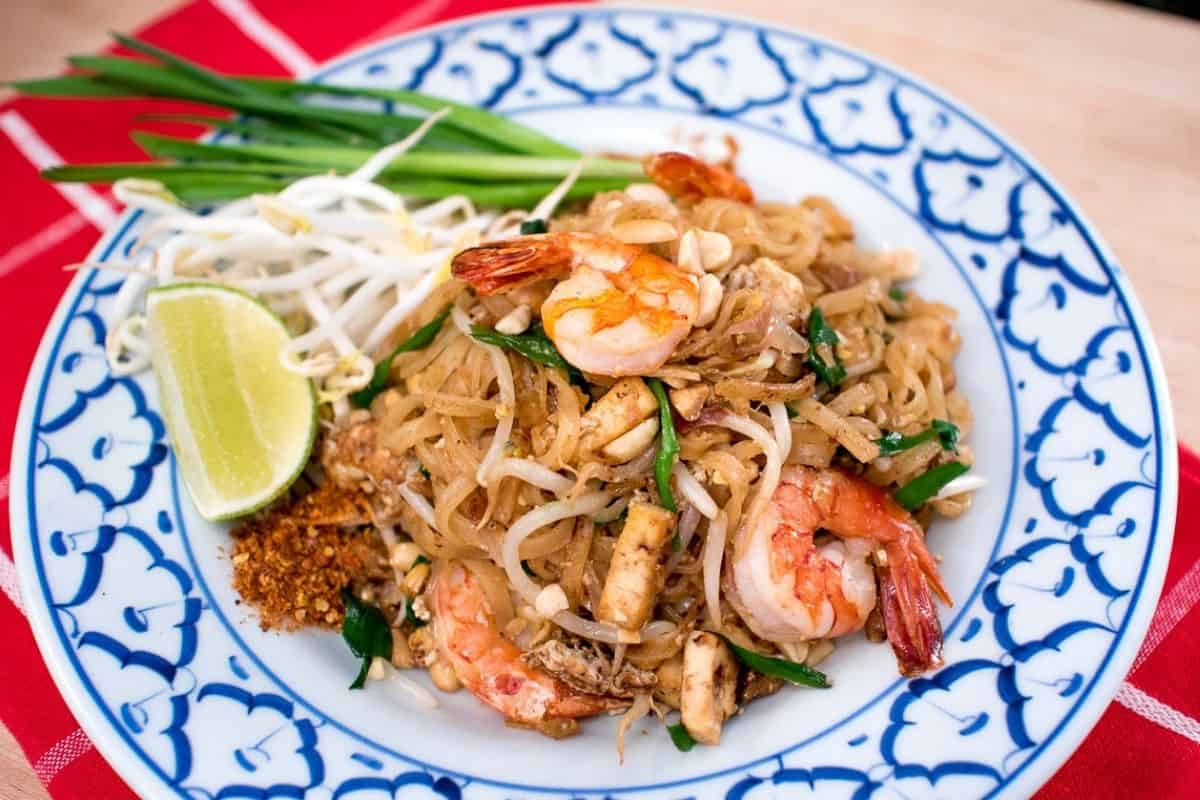
Presentation and finishing touches are crucial for the full pad thai experience. Once your noodles are plated, elevate them with traditional garnishes:
- Crushed Peanuts: Essential for texture and nutty flavor.
- Fresh Lime Wedges: A squeeze of fresh lime juice just before eating brightens all the flavors and adds another layer of tang.
- Fresh Bean Sprouts & Garlic Chives: A sprinkle of fresh, uncooked sprouts and chives adds a refreshing crunch.
- Chili Flakes/Powder: For those who love a bit of heat, serve with chili flakes on the side.
- Fresh Cilantro: A final flourish of fresh herbs never hurts.
Encourage your diners to mix everything together and adjust the flavors to their liking at the table. This interactive element is part of the joy of eating Pad Thai. With these steps, you’re not just cooking; you’re crafting an authentic culinary experience that brings the vibrant streets of Thailand right into your home kitchen.
There you have it! The journey to mastering restaurant-quality Pad Thai at home is not a trek through obscure culinary landscapes but a straightforward path achievable with common ingredients and a little technique. By understanding the roles of key ingredients, crafting a balanced sauce, and executing a swift stir-fry, you can consistently produce a dish that delights your senses and impresses your family and friends. Not only will you enjoy a fresher, less oily, and more customizable version of your favorite Thai noodle dish, but you'll also gain immense satisfaction from knowing you created such a beloved classic from scratch. So, ditch the takeout menu and unleash your inner Thai chef – your homemade Pad Thai awaits!
