Unlock True Pad Thai Flavor: Bridging Authentic & Easy Home Cooking
Few dishes command such universal admiration as Pad Thai. This iconic Thai noodle stir-fry, with its perfect harmony of sweet, sour, and savory notes, combined with the delightful texture of slippery noodles and crunchy peanuts, has captivated palates worldwide. It's more than just a meal; it's a culinary benchmark, the dish by which countless Thai restaurants are measured. Indeed, try searching for the "best" Thai spot in your area, and you'll find reviews often hinge on the quality of their Pad Thai, a testament to its foundational role in Thai cuisine.
For many, the idea of recreating that restaurant-quality magic at home can seem daunting. Visions of obscure ingredients and complex techniques might deter even the most adventurous home cooks. But what if we told you that unlocking the true essence of Pad Thai flavor is not only achievable but also surprisingly straightforward, using ingredients readily available at your local supermarket? This article will guide you through bridging the gap between authentic Thai street food and an easy, delicious homemade version that truly stacks up to your favorite takeout.
The Allure of Pad Thai: A Culinary Icon
What makes Pad Thai so universally beloved? It's a symphony for the senses. Visually, it’s a vibrant tapestry of colors from the noodles, fresh sprouts, protein, and garnish. Aromatic spices and the rich tang of the sauce tantalize the nose even before the first bite. Texturally, you get the satisfying chew of the thin, flat rice noodles, the crispness of bean sprouts, the slight char from wok-fried ingredients, and the crunch of crushed peanuts. But the true genius lies in its flavor profile: a captivating dance between the sweetness of palm or brown sugar, the deep umami and saltiness of fish sauce, and the distinctive sourness that sets it apart.
Historically, Pad Thai emerged as a national dish in Thailand, promoted in the mid-20th century to foster national identity and economic stability. From its humble origins as street food, it quickly became a staple, beloved for its affordability, versatility, and sheer deliciousness. Today, it remains a global ambassador for Thai cuisine, instantly recognizable and deeply satisfying. Its ability to incorporate various proteins – most commonly chicken or prawns (shrimp), alongside firm tofu and scrambled egg – makes it adaptable to different preferences, further cementing its status as a culinary icon.
Deconstructing the Perfect Pad Thai Flavor Profile
At the heart of any exceptional Pad Thai lies a meticulously balanced sauce. Many Westernized versions fall short, often leaning too heavily on sweetness or relying on basic soy sauce and vinegar, which misses the complex depth of a truly great Thai dish. To achieve that signature taste that echoes your favorite Thai restaurant, understanding the key components is crucial.
The Signature Sweet-Sour-Savoury Balance
The hallmark of authentic Pad Thai is its intricate balance. It’s not just sweet, or just sour; it’s a harmonious blend where each element enhances the others. The sweetness typically comes from brown sugar, offering a molasses-like depth that plain white sugar can't replicate. The savory notes are primarily delivered by fish sauce, a foundational ingredient in Southeast Asian cooking, providing a salty, umami richness, complemented by the often overlooked addition of oyster sauce, which adds another layer of sweet and savory complexity. This foundational trio creates a powerful flavor base that is both addictive and incredibly satisfying.
The Unsung Hero: Tamarind's Transformative Tang
While fish sauce provides the savory depth, and sugar the sweetness, it is tamarind that truly defines the sour soul of Pad Thai. This distinctive fruit pulp delivers a unique tang that is bright, fruity, and subtly earthy, a flavor profile vinegar or lime alone simply cannot replicate. Tamarind is an indispensable ingredient in many Southeast Asian dishes, lending its characteristic sourness to everything from curries to dipping sauces.
Traditionally, authentic Pad Thai recipes would call for tamarind pulp, a dense block of fruit that requires soaking in hot water and then pressing through a sieve to create a smooth, concentrated puree. While this method yields the purest tamarind flavor, it's also time-consuming. For the home cook, readily available ready-made tamarind puree (often found in the international aisle of larger supermarkets or Asian grocery stores) is a fantastic and convenient alternative that delivers excellent results. Surprisingly, in a pinch, with a few careful adjustments to the recipe, even ketchup can serve as a decent stand-in due to its balance of sweet and sour notes – though for true authenticity, tamarind is king. Embracing tamarind is a game-changer for your Master Restaurant-Quality Pad Thai at Home with Ease journey.
Beyond the Sauce: Noodles, Proteins & Freshness
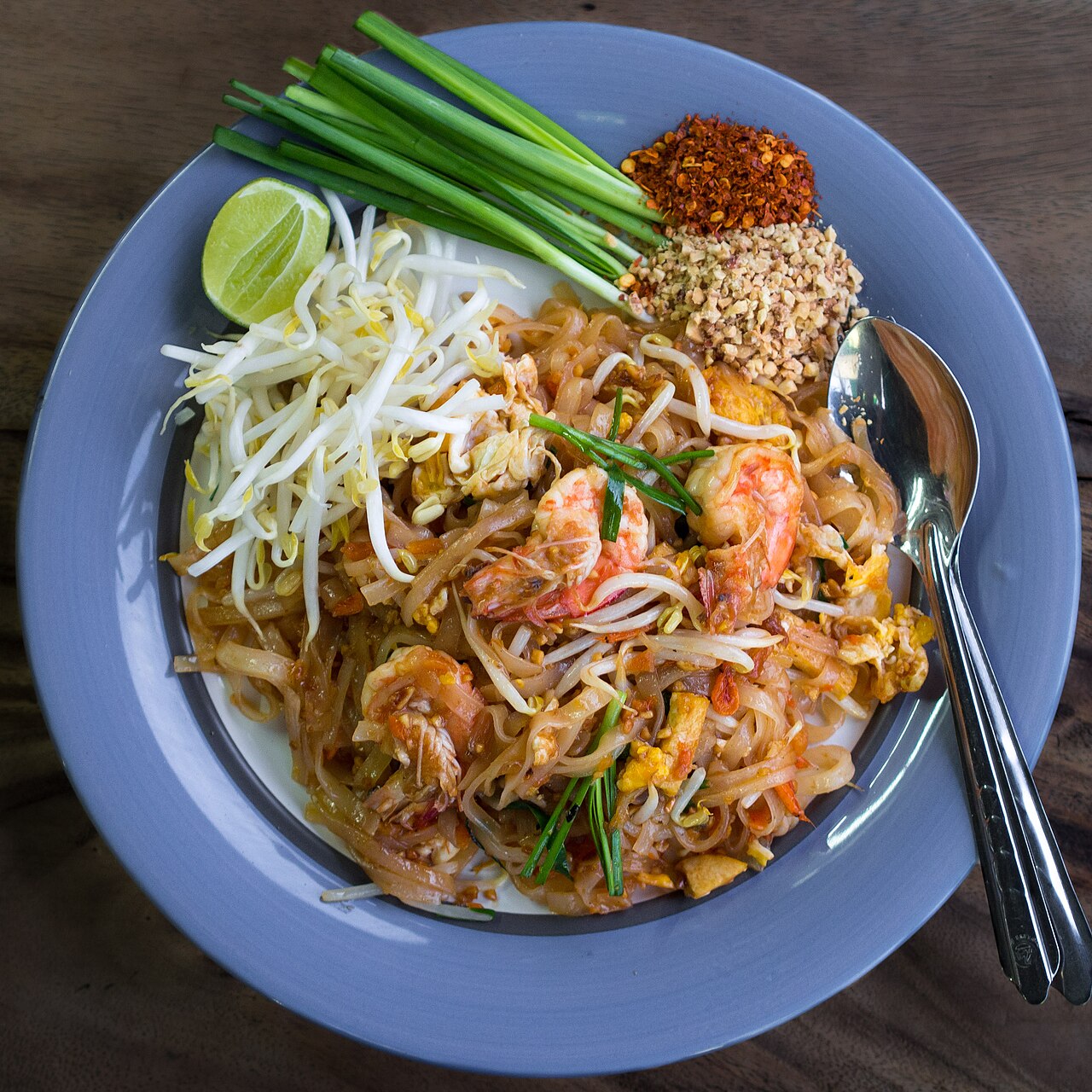
While the sauce is the soul, the other components are the body. The noodles are crucial: thin, flat dried rice noodles are essential for their ability to absorb the sauce and create that signature slippery texture. Look for "Thai style" rice noodles in your supermarket, which tend to be more forgiving for stir-frying than some ultra-thin varieties. Beyond the noodles, an authentic Pad Thai is typically adorned with a mix of scrambled egg, firm tofu, and your choice of protein – chicken and prawns (shrimp) being the most popular. Fresh bean sprouts add a wonderful crisp bite, while garlic chives (or spring onions if chives are unavailable) contribute a mild oniony freshness. Finally, a generous sprinkling of crushed roasted peanuts and a fresh lime wedge complete the dish, adding texture, richness, and a final burst of citrusy brightness.
From Street Stalls to Your Stove: Bridging Authenticity and Accessibility
The spectrum of Pad Thai recipes is vast. On one end, you have the truly hardcore authentic versions, often found in Thailand's bustling street markets. These can possess a distinct fishy/prawny "funk" – a deep, almost fermented aroma from shrimp paste or very strong fish sauce – that, while undeniably addictive to some, can be overwhelming for those not accustomed to it. On the other end are simplified Westernized recipes that, while quick, often lack the complex depth and balance, usually resulting in a dish that's merely sweet and vaguely savory, bearing little resemblance to what you’d find in a good Thai restaurant.
Our goal is to find the sweet spot: a version that delivers that coveted restaurant-quality flavor, complete with depth and authenticity, yet remains entirely accessible for the average home cook. This means no obscure, hard-to-find ingredients, and no excessively complicated techniques. We aim for the rich taste experience without the hunt through specialized Asian markets or hours of prep.
Sourcing Smart: Everyday Ingredients for Extraordinary Flavor
The beauty of this approach lies in smart sourcing. Most of the essential ingredients for a fantastic Pad Thai are now widely available. Fish sauce, oyster sauce, brown sugar, and flat dried rice noodles are standard items in well-stocked supermarkets. As mentioned, ready-made tamarind puree has become increasingly common, often found near international condiments. Even proteins like chicken breast, shrimp, and firm tofu are everyday purchases. By choosing quality ingredients you can easily find, you eliminate a significant barrier to recreating this beloved dish at home. Forget endlessly searching for a specific brand of rice sticks; focus on the readily available options that will still yield excellent results.
Mastering the Stir-Fry: Techniques for Home Cooks
Beyond the ingredients, mastering a few simple stir-frying techniques will elevate your homemade Pad Thai. The key is high heat and quick cooking. A wok is ideal, but a large, heavy-bottomed frying pan or skillet will work perfectly. Ensure all your ingredients are prepped and ready before you start cooking, as stir-frying moves very quickly. Cook your proteins first, then the eggs, pushing them to the side of the pan. The noodles should be rehydrated but still firm before hitting the pan, ensuring they absorb the sauce without becoming mushy. Adding ingredients in the correct order—harder vegetables first, then noodles, sauce, and finally delicate sprouts and chives—ensures everything cooks evenly and retains its texture. This structured approach is fundamental to creating Master Restaurant-Quality Pad Thai at Home with Ease.
Crafting Your Easy, Yet Authentic Pad Thai at Home
Embracing the principles outlined above means you can confidently create a genuinely delicious and satisfying Pad Thai in your own kitchen. This isn't about cutting corners on flavor; it's about optimizing the process to make it approachable without sacrificing authenticity. With the right balance of sweet, sour, and savory from our thoughtfully constructed sauce – anchored by the essential tamarind – and fresh, readily available ingredients, you're set for success.
Imagine serving up a steaming plate of homemade Pad Thai in under 30 minutes, knowing each forkful delivers the vibrant, complex flavors you adore from your favorite Thai restaurant, yet with the added satisfaction of cooking it yourself. You'll control the oil, adjust the spice to your preference, and enjoy the freshest possible ingredients. This blend of bold flavors and everyday convenience makes homemade Pad Thai not just a meal, but an experience. For a quick and delightful culinary adventure, dive into our tips for a Minute Pad Thai: Bold Flavors with Everyday Supermarket Ingredients.
Conclusion
The journey to unlock true Pad Thai flavor at home doesn't require a ticket to Bangkok or a treasure hunt for exotic spices. By understanding the critical role of key ingredients like tamarind, mastering simple stir-fry techniques, and focusing on readily available components, you can bridge the gap between authentic Thai cuisine and easy home cooking. This beloved noodle dish, celebrated for its perfect balance and vibrant textures, is well within your reach. So, gather your ingredients, fire up your pan, and prepare to delight your taste buds with a homemade Pad Thai that will rival any restaurant, proving that extraordinary flavor is truly attainable in your everyday kitchen.
